


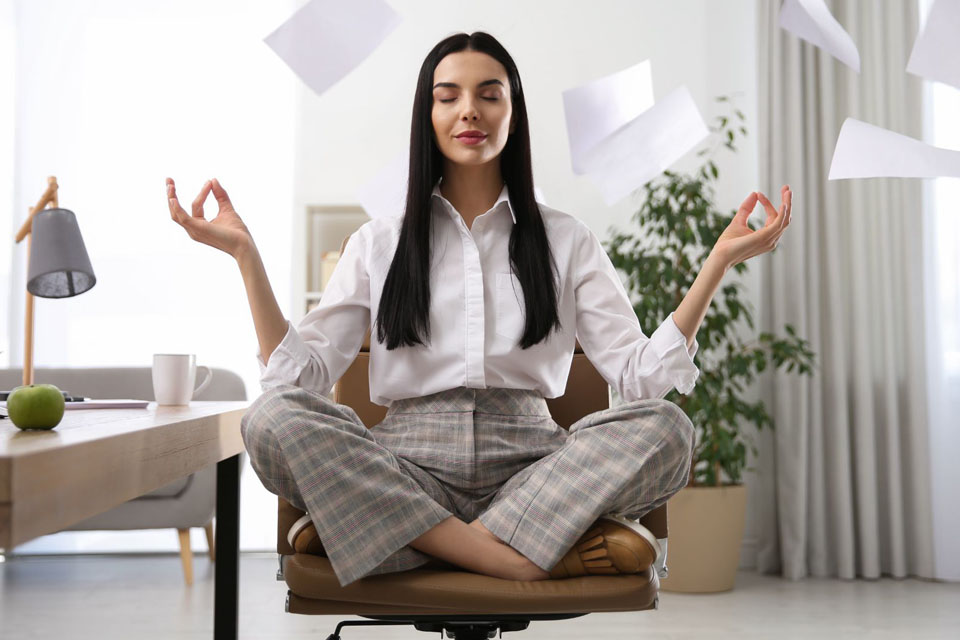
December is the busiest time of year for many people. Workplace project deadlines, reports, year-end evaluations, and holiday preparations all place simultaneous demands on both the body and mental endurance. Exhaustion during this period can manifest not only as fatigue: concentration may decline, the immune system may weaken, and stress levels can increase. With conscious energy management, however, it is possible to avoid ending the year completely drained.
The pressure of year-end deadlines often means longer workdays and less rest. Task accumulation increases mental overload, while personal time decreases due to holiday preparations. Reduced sunlight and physical activity, along with irregular eating patterns, further affect well-being. Altogether, this can lead to lower energy levels, irritability, and sleep disturbances.
Rather than maintaining continuous effort, it is more effective to work in short, focused blocks, interspersed with micro-breaks. A few minutes of walking, stretching, or deep breathing can be enough to refresh the nervous system. A structured daily schedule also helps ensure that the most demanding tasks are tackled during your most productive hours. Hydration often takes a back seat during a busy office day, even though mild dehydration can already impair concentration. Regular water intake is a simple yet effective way to sustain energy levels.
The end of the year can also be emotionally taxing. Excessive pressure to perform, striving for perfection, and expectations related to the holidays can increase internal tension. Setting clear boundaries between work and personal life – for example, limiting emails outside working hours – can provide mental relief. An evening wind-down routine, such as a short walk, reading, or relaxation exercises, can help ensure the day ends with replenishment rather than stress.
According to HR-Pharma experts, before January resolutions and new beginnings, it is advisable to undergo laboratory testing to determine how much physical stress the body can handle and which foods are best tolerated.
Frequently Asked Questions
Why do I feel more tired in December even if I’m not working more?
Reduced natural light, pre-holiday stress, and changes in daily routines can all contribute to lower energy levels.
How much break time do I need during work?
Even short breaks of a few minutes every 60-90 minutes can improve concentration and reduce mental overload.
What can I do if I can’t “switch off” mentally after work?
Establishing a mindful end-of-day routine can help separate work from personal life, such as exercising, practicing relaxation techniques, or having screen-free time.